T’ai Chi Chih for Beginners: Foot Position and Gentle Weight Shifting

Most beginners feel unsure about where to place their feet or how to shift their weight in T’ai Chi Chih. This uncertainty can make starting a gentle movement practice feel overwhelming rather than calming. By focusing on simple foot positions and easy weight shifts, you’ll build steady balance and find a peaceful rhythm that invites regular practice. Let’s explore how to stand and move with confidence in T’ai Chi Chih for beginners.
Understanding Foot Position

Finding the right foot position is key to building a strong foundation in T’ai Chi Chih. Let’s explore how you can create a stable base and avoid common mistakes.
Stable Base for Beginners
Creating a stable base is essential for beginners. Start by standing with your feet shoulder-width apart. This simple stance helps anchor you, making it easier to focus on your movements. Imagine your feet as the roots of a tree, grounding you firmly to the earth. This connection ensures that you feel balanced and secure, allowing you to move with greater confidence.
When your feet are firmly planted, your body can relax. This relaxation is the first step in feeling the flow of Chi, the intrinsic energy central to T’ai Chi Chih. Practicing with this stable base encourages mindfulness, keeping your attention on your body and breath.
Common Foot Placement Mistakes
Avoiding common foot placement mistakes can help you maintain balance and improve your practice. One frequent misstep is positioning your feet too close together, which can make you feel unsteady. Instead, aim for that shoulder-width distance to support your balance.
Another common mistake is not aligning your feet parallel to each other. This misalignment can lead to discomfort and hinder the smooth flow of Chi. Take a moment to check your feet: they should point forward, creating a sturdy and supportive foundation.
Enhancing Balance and Stability
Enhancing your balance and stability starts with the correct foot position. As you practice, focus on evenly distributing your weight across both feet. This balance not only helps you stay grounded but also promotes a sense of calm.
When you master this balance, you’ll notice an improvement in your stability. This stability allows you to transition smoothly between movements, making your practice feel more fluid and connected. The key is to remain mindful of your stance, ensuring that your feet continue to provide support as you move.
Gentle Weight Shifting Basics

Once you’ve established a stable foot position, the next step is learning to shift your weight gently. This technique is crucial for flowing movements and maintaining balance.
Achieving 50/50 to 70/30 Shifts
Weight shifting involves moving your weight between your feet. Start with a simple 50/50 distribution: half your weight on each foot. This balance is your baseline, ensuring you’re evenly grounded. As you progress, experiment with shifting to a 70/30 distribution, moving more weight onto one foot while keeping the other lightly grounded.
These shifts mimic the gentle ebb and flow of energy, teaching your body to adapt to gradual changes. This practice not only improves your T’ai Chi Chih technique but also enhances your overall balance in daily life.
Breath and Intention in Movement
Breath and intention are integral to T’ai Chi Chih. Coordinate your breath with each weight shift: inhale as you gather energy, and exhale as you release it. This rhythmic breathing enhances your focus and connects your movements to your breath, creating a sense of harmony.
Setting an intention for your practice can deepen your experience. Whether it’s cultivating calm or finding balance, your intention guides your movements, making each session more meaningful and rewarding.
Chair and Wall Support Options
For added support during practice, consider using a chair or wall. These aids provide stability as you learn weight-shifting techniques. Start by practicing next to a wall or seated in a chair, focusing on your weight distribution.
These supports are especially helpful if you’re new or have limited mobility. They allow you to practice safely while building confidence. Over time, your reliance on these aids will decrease as your balance and strength improve.
Community Connection and Practice

Connecting with a community can enhance your T’ai Chi Chih journey. Sharing experiences and learning from others offers encouragement and support.
Encouragement from Fellow Beginners
Engaging with fellow beginners provides motivation and shared experiences. Joining a class or group allows you to connect with others, fostering a sense of belonging. Many find that practicing with others encourages consistency and commitment to their practice.
Hearing stories from others can also inspire you. Knowing you’re not alone in your journey helps you stay motivated and committed to mastering T’ai Chi Chih.
Available Resources and Classes
Access to resources and classes can deepen your understanding of T’ai Chi Chih. Look for classes taught by accredited instructors who can guide you in your practice. Many offer both in-person and online options, providing flexibility to fit your schedule.
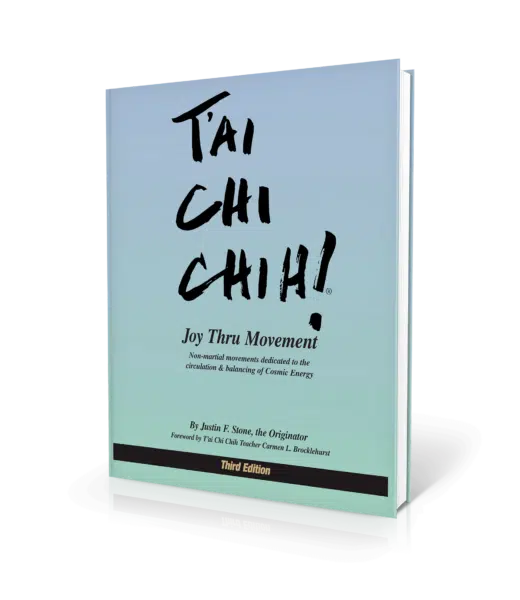
Additionally, explore books and videos by Justin Stone, the creator of T’ai Chi Chih. These materials offer valuable insights into the philosophy and techniques of the practice.
Benefits of Mindful Movement Practice 🌿
Practicing T’ai Chi Chih offers numerous benefits, from improved balance to stress relief. The gentle movements promote a sense of peace and tranquility, helping you connect with your mind, body, and spirit.
As you continue your practice, you’ll discover how T’ai Chi Chih can enhance your overall well-being. The benefits extend beyond the physical, fostering emotional and spiritual growth that supports a balanced and harmonious life.
Frequently Asked Questions
What is the best foot position for T’ai Chi Chih?
A stable base starts with feet shoulder-width apart, aligning them parallel to ensure balance and comfort. Avoid tight placement to maintain steadiness.
How do I perform weight shifting in T’ai Chi Chih?
Begin with a 50/50 weight distribution across both feet. Progress to a 70/30 shift, practicing gentle transitions to improve balance and fluidity.
Can beginners use support while practicing T’ai Chi Chih?
Yes, beginners can use a chair or wall for stability. These aids help maintain balance and build confidence, especially for those with limited mobility.