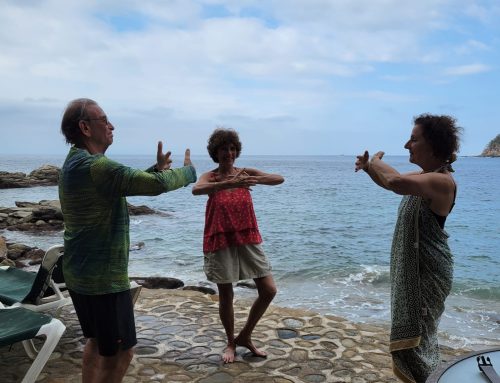
Beginner Posture in T’ai Chi Chih: Stand, Relax, and Move with Ease

Most people think standing still means stiff and tense. The truth is, the beginner T’ai Chi Chih stance invites you to stand comfortably, with soft knees and relaxed shoulders. Learning how to stand for T’ai Chi Chih opens the door to gentle movement for stress relief and calm, peaceful moments you can carry throughout your day. Let’s explore simple ways to root your balance and move with ease, starting right now.
Finding Your Balance
Standing in T’ai Chi Chih is all about connecting with the ground and feeling at ease. It starts with a simple stance.
Beginner T’ai Chi Chih Stance
The key to the beginner T’ai Chi Chih stance is maintaining a soft, relaxed posture. Stand with your feet shoulder-width apart. Keep your knees slightly bent, not locked. This allows for a gentle flow of energy through your body. Your arms should hang loosely at your sides, fingers gently curved. Imagine a string pulling you up from the top of your head, keeping your spine straight. This posture not only supports balance but also encourages a sense of calm. Soft knees alignment is crucial for feeling stable and grounded. You may notice a shift as your weight naturally distributes itself, helping you stand without tension.
Comfortable Stance for Beginners
Creating a comfortable stance takes practice. Start by focusing on your feet. Feel each toe and the arch of your foot connecting with the ground. This contact helps you find your center of gravity. Relax your shoulders, allowing them to drop naturally. This releases tension and fosters a more fluid movement. Your body should feel like it’s swaying ever so slightly, a sign that you are relaxed and in tune with your surroundings. Practicing this comfortable stance regularly will enhance your awareness of balance and prepare you for further movement.
Relaxation Techniques

Once you’re standing comfortably, the next step is learning how to relax into the movement. This involves connecting with your breath and letting go of unnecessary tension.
Relaxation in Moving Meditation
Relaxation in moving meditation is a practice that integrates mind and body. Begin by taking a deep breath in through your nose, filling your lungs completely. As you exhale slowly, imagine tension leaving your body. This simple act makes each movement feel more intentional and less mechanical. Focusing on your breath helps quiet the mind, making it easier to stay present. This presence enhances Chih’s benefits by promoting peace and clarity. You may find that by focusing on breath work, your movements become more fluid and enjoyable.
Breath and Relaxation Cues
Breath cues are vital for maintaining relaxation. Inhale deeply as you prepare for movement, and exhale as you execute it. This rhythm supports a steady flow of Chi, or energy, throughout your body. Pay attention to how your breath affects your movements: a slow, controlled exhale can help deepen your relaxation and focus. You might find that certain movements naturally align with your breathing pattern, enhancing both relaxation and concentration. This technique not only aids in the practice of T’ai Chi Chih but can also be applied in everyday life to manage stress.
Moving with Ease

With a strong foundation and relaxation techniques, you can start to explore gentle movement. Understanding the mechanics of shifting weight and maintaining balance is crucial.
Weight Shift in T’ai Chi Chih
In T’ai Chi Chih, shifting weight is done with intention and care. Begin by placing your weight on one foot while keeping both knees slightly bent. This shift should be gradual and controlled, maintaining alignment in your shoulders and hips. As you move, visualize your energy flowing like water, smoothly transitioning from one side to the other. This flow helps in maintaining balance and prevents unnecessary strain on your joints. Practicing weight shifts regularly improves your ability to move with grace and confidence.
Rooting and Balance
Rooting involves connecting deeply with the ground, giving you a stable base to move from. Imagine roots extending from your feet into the earth, anchoring you securely. This mental image reinforces physical stability, making it easier to maintain balance during movement. As you practice rooting, you’ll notice a stronger sense of connection between your body and the ground. This connection is vital for executing movements with ease and confidence, allowing you to explore the full range of T’ai Chi Chih with a sense of security and joy. 🌿
Frequently Asked Questions
How do I start practicing T’ai Chi Chih at home?
To start practicing T’ai Chi Chih at home, begin with the basic stance. Stand with feet shoulder-width apart, knees soft, and practice slow, deliberate breathing. This helps establish a firm foundation.
What is the importance of breath in T’ai Chi Chih?
Breath is essential in T’ai Chi Chih as it aids in relaxation and focus. Controlled breathing supports energy flow, enhances movement fluidity, and helps maintain mindfulness during practice.
How can I improve my balance in T’ai Chi Chih?
Improving balance in T’ai Chi Chih involves practicing the rooting technique. Visualize roots growing from your feet into the ground to enhance stability and focus on shifting your weight smoothly.
What benefits can I expect from T’ai Chi Chih?
Benefits of T’ai Chi Chih include stress relief, improved balance, and enhanced relaxation. Regular practice promotes physical, emotional, and spiritual well-being.
Is T’ai Chi Chih suitable for everyone?
Yes, T’ai Chi Chih is suitable for people of all ages and fitness levels. Its gentle movements make it accessible, and no special equipment is required.