T’ai Chi Chih for Beginners: 10 Essential Principles for Mindful Movement, Balance, and Relaxation
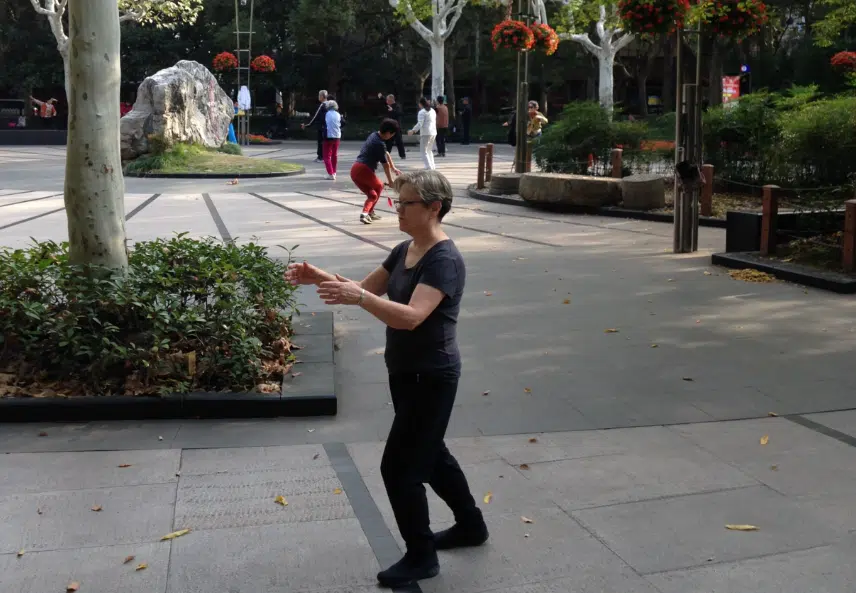
Starting T’ai Chi Chih can feel simple, but there is more to the practice than learning where to place your hands and feet. Many beginners jump straight into the movements and miss the gentle principles that help T’ai Chi Chih feel natural, balanced, and calming.
Without these foundations, you may find yourself rushing, holding tension, struggling with weight shifts, or trying too hard to get each movement “right.”
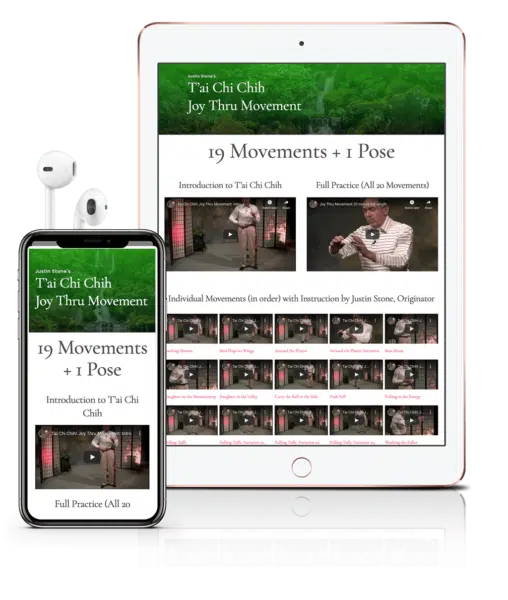
T’ai Chi Chih is a gentle moving meditation consisting of 19 movements and one pose. It is designed to circulate and balance Chi, or intrinsic energy, through soft, flowing movement. There is no special equipment required, and the practice can be accessible to people of many ages and abilities.
Before focusing on memorizing the movements, begin with these 10 T’ai Chi Chih principles for beginners. They can help you develop greater ease, awareness, and confidence from the beginning.
Core Principles for Beginners
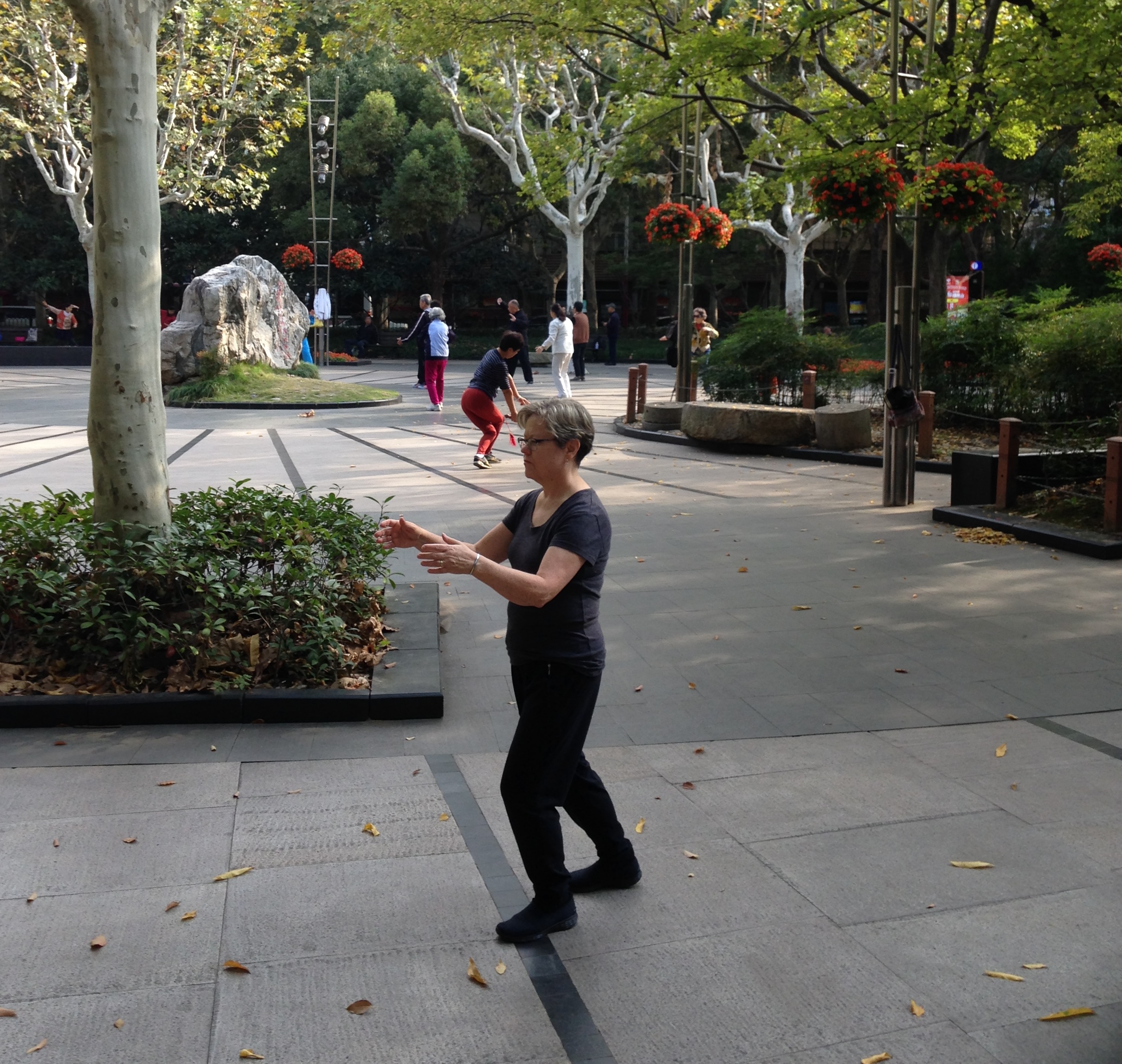
Understanding the foundational ideas of T’ai Chi Chih can make your practice feel more natural and rewarding. Let’s explore some key principles that set the stage for a calm and balanced experience.
1. Choose Softness Over Force
In T’ai Chi Chih, softness is one of your greatest allies. Rather than using muscular force to make a movement happen, allow your body to move gently and with as little unnecessary effort as possible. Holding tension in the shoulders, arms, hands, or legs can make a simple movement feel harder than it needs to be.
Imagine a leaf floating on a stream. It moves without struggling against the water. Bring that same quality of ease into your T’ai Chi Chih practice.
Relax what you can. Soften the movement. Let the practice flow rather than forcing it.
2. Keep an Upright, Relaxed Posture
Good posture in T’ai Chi Chih does not mean becoming rigid. Think of a tree: upright and grounded, yet flexible enough to move with the breeze.
Allow your spine to lengthen naturally while keeping your shoulders relaxed. Avoid stiffening the chest or locking the body into position.
An upright, relaxed posture provides a stable foundation for the movements while helping you remain comfortable and balanced.
The goal is not to “stand perfectly.” It is to feel centered without unnecessary tension.
3. Grounded Feet Stability
Your feet provide the foundation for many T’ai Chi Chih movements. Instead of thinking only about what your arms and hands are doing, notice your connection with the ground. Feel the soles of your feet and become aware of where your weight is resting.
As you begin practicing weight shifts, notice how the body responds as your weight moves from one side or position to another. This awareness can help you feel more grounded and stable while making your movements smoother.
In T’ai Chi Chih, even a simple weight shift can become an opportunity for mindful awareness.
Embracing Gentle Movement
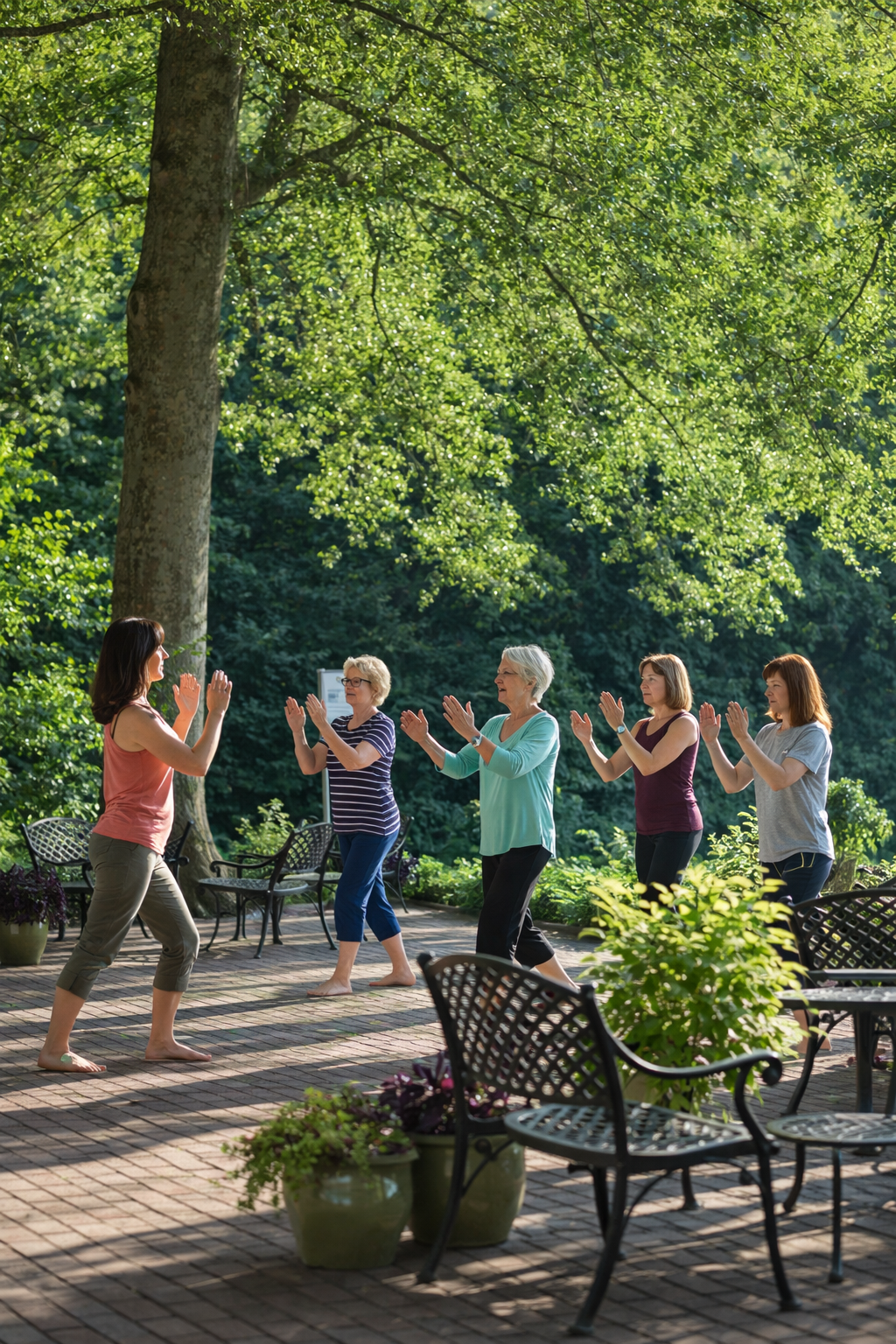
Now that you’ve grasped the core principles, it’s time to embrace gentle movement. These techniques will refine your practice and enrich your experience.
4. Slow, Even Tempo
A slow, consistent pace is the heart of T’ai Chi Chih. Moving slowly helps you maintain control and focus. It allows you to be mindful of each motion, making the practice more meditative. Try to maintain an even tempo, much like a soothing melody. This pace encourages relaxation and enhances your awareness of how your body moves.
5. Loose Wrists, Gentle Hands
In T’ai Chi Chih, your hands are an extension of your mind. Keep your wrists loose and your hands gentle, as if you’re holding a delicate object. This softness encourages better energy flow and aligns with the practice’s calming nature. As you move, pay attention to any tension in your hands and wrists. Relax them and feel how this change affects your overall movement.
6. Comfortable Range of Motion
T’ai Chi Chih is not about stretching farther, moving bigger, or pushing through discomfort. Your movements should remain within a comfortable range that respects your body.
Every practitioner is different. Your range of motion does not need to look exactly like someone else’s for your practice to be meaningful. Listen to your body and adjust when necessary.
Gentle movement should feel supportive rather than demanding. By honoring your own range, you create a practice that can grow with you over time.
Building a Mindful Practice

With these movements learned, let’s focus on building a mindful practice. Mindfulness brings depth to your T’ai Chi Chih journey.
7. Breath Follows the Body
It is easy for beginners to become so focused on learning a movement that they begin controlling or even holding their breath. Instead, allow your breathing to remain natural.
There is no need to force a particular breathing pattern into every movement. Notice the breath without turning it into another task you need to perform correctly.
As your body relaxes and the movements become more familiar, breathing can settle into its own comfortable rhythm. This helps keep your attention on the experience of the movement rather than trying to manage too many details at once.
8. Awareness of Sensations
Developing awareness of sensations is a cornerstone of mindful movement. Pay attention to how each part of your body feels as you move. Are your muscles relaxed? Is your breathing steady? This awareness helps you stay present and fosters a deeper connection between mind and body.
9. Allow the Chi. Don’t Try to Force It
Beginners sometimes become so interested in experiencing Chi that they start trying to make something happen. T’ai Chi Chih invites a gentler approach. Rather than forcing an experience, focus on practicing the movements with softness, awareness, and consistency. Allow the circulation of Chi to unfold through the practice.
Some sessions may feel noticeably different from others. That is part of the experience. You do not need to chase a particular sensation. Practice the movements and remain receptive to what you notice.
10. Consistency Over Intensity
You do not need a long or demanding practice session to begin building a relationship with T’ai Chi Chih. Consistency matters more than intensity.
A short period of mindful practice that you return to regularly can be more valuable than occasionally pushing yourself through a long session.
Regular practice gives you time to become familiar with the movements, notice subtle changes, and gradually deepen your awareness.
Instead of asking, “How much can I do today?” consider asking: “How can I return to the practice with ease?” That small shift can help T’ai Chi Chih become a sustainable part of your daily wellness routine.
Why These T’ai Chi Chih Principles Matter
The 19 movements and one pose provide the structure of T’ai Chi Chih, but these gentle principles shape how you experience them.
Softness changes how you move. Awareness changes what you notice. Consistency changes how the practice develops over time.
Together, these principles can help you approach T’ai Chi Chih as it is intended: not as something to conquer or perfect, but as a gentle moving meditation that encourages the circulation and balance of Chi.
For beginners, understanding this foundation can make learning the movements feel less intimidating and more natural.